Economic Discrimination and Political Exchange: World Political Economy in the 1930s and 1980s
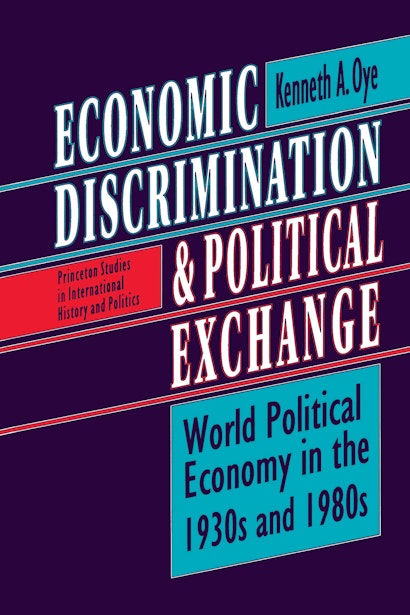
Paperback
- Price:
- $60.00/£48.00
- ISBN:
- Published:
- Aug 1, 1993
- Copyright:
- 1993
- Pages:
- 252
- Size:
- 7.75 x 10 in.
- Main_subject:
- Political Science
ebook
Did bilateral and regional bargaining choke off international commerce and finance in the 1930s and prolong the Great Depression? Is the open world economic system now being placed at risk by explicitly discriminatory practices that erode respect for the GATT, the IMF, and the IBRD? Most political economists would answer in the affirmative, warning that bilateral and regional preferences are at best inefficient and at worst catastrophic. By contrast, Kenneth Oye shows how economic discrimination can foster international economic openness by facilitating political exchange.