Documenting Individual Identity: The Development of State Practices in the Modern World
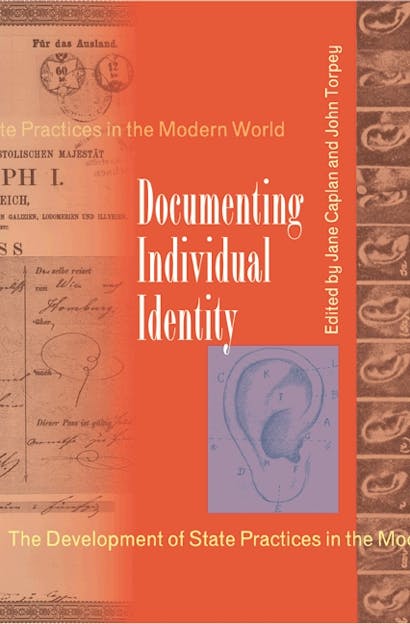
Paperback
- Price:
- $50.00/£42.00
- ISBN:
- Published:
- Dec 9, 2001
- Copyright:
- 2002
- Pages:
- 432
- Size:
- 6 x 9.25 in.
- 6 tables, 8 halftones
ebook
This book addresses one of the least studied yet most pervasive aspects of modern life—the techniques and mechanisms by which official agencies certify individual identity. From passports and identity cards to labor registration and alien documentation, from fingerprinting to much-debated contemporary issues such as DNA-typing, body surveillance, and the catastrophic results of colonial-era identity documentation in postcolonial Rwanda, Documenting Individual Identity offers the most comprehensive historical overview of this fascinating topic ever published.
The nineteen essays in this volume represent the collaborative effort of historians, sociologists, historians of science, political scientists, economists, and specialists in international relations. Together they cover a period from the emergence of systematic practices of written identification in early modern Europe through to the present day, and a geographic range that includes Europe, the Soviet Union, North and South America, and Africa. While the book is attuned to the nefarious possibilities of states’ increasing capacity to identify individuals, it recognizes that these same techniques also certify citizens’ eligibility for significant positive rights, such as welfare benefits and voting.
Unprecedented in subject and scope, Documenting Individual Identity promises to shape a whole new field of research that crosses disciplinary boundaries and is of broad public and academic significance. In addition to the editors, the contributors are Valentin Groebner, Gérard Noiriel, Charles Steinwedel, Marc Garcelon, Jon Agar, Martine Kaluszynski, Peter Becker, Anne Joseph, Kristin Ruggiero, Andrea Geselle, Andreas Fahrmeier, Leo Lucassen, Pamela Sankar, David Lyon, Gary Marx, Dita Vogel, and Timothy Longman.