The Ghost Festival in Medieval China
Paperback
- Price:
- $68.00/£58.00
- ISBN:
- Published:
- Dec 1, 1996
- Copyright:
- 1988
- Pages:
- 296
- Size:
- 7.75 x 10 in.
- 1 halftone
ebook
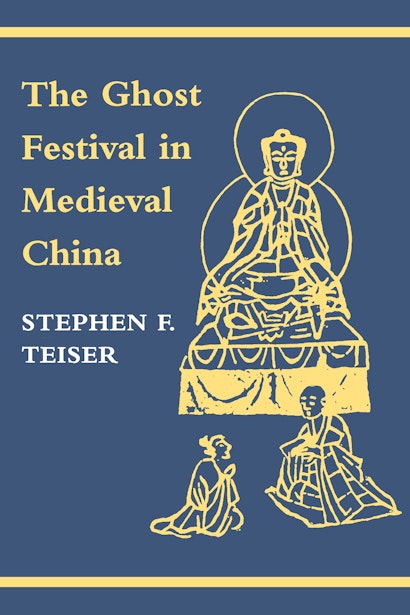
Largely unstudied until now, the religious festivals that attracted Chinese people from all walks of life provide the most instructive examples of the interaction between Chinese forms of social life and the Indian tradition of Buddhism. Stephen Teiser examines one of the most important of such annual celebrations. He provides a comprehensive interpretation of the festivities of the seventh lunar month, in which laypeople presented offerings to Buddhist monks to gain salvation for their ancestors. Teiser uncovers a wide range of sources, many translated or analyzed for the first time in any language, to demonstrate how the symbolism, rituals, and mythology of the ghost festival pervaded the social landscape of medieval China.
Awards and Recognition
- Co-Winner of the 1988 Best First Book Prize in the History of Religions, American Council of Learned Societies