Passionate Enlightenment: Women in Tantric Buddhism
eBook
- Sale Price:
- $27.97/£24.50
- Price:
-
$39.95/£35.00 - ISBN:
- Published:
- Jun 8, 2021
- Copyright:
- 1994
- 18 line illustrations
- Main_subject:
- Religion
30% off with code PUP30
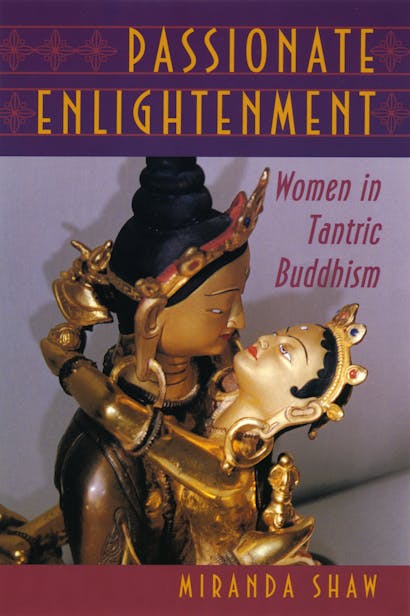
The crowning cultural achievement of medieval India, Tantric Buddhism is known in the West primarily for the sexual practices of its adherents, who strive to transform erotic passion into spiritual ecstasy. Historians of religion have long held that the enlightenment thus attempted was for men only, and that women in the movement were at best marginal and subordinated and at worst degraded and exploited. Miranda Shaw argues to the contrary, presenting extensive new evidence of the outspoken and independent female founders of the Tantric movement and their creative role in shaping its distinctive vision of gender relations and sacred sexuality.
Awards and Recognition
- Winner of the 1994 James Henry Breasted Prize, American Historical Association
- Winner of the 1994 Tricycle Prize for Excellence in Buddhist Scholarship